You’re sitting on the District Line, the train is rattling towards Victoria, and you’ve got twelve minutes to kill before you’re back in the office. You Additional reading pull out your smartphone, tap your favourite casino app, and boom—there it is. A "personalised" offer for 20 free spins on a game you played three days ago. It feels eerie, doesn't it? Like the app is reading your mind.

Let’s be clear: it’s not reading your mind. It’s just using math. As someone who’s spent eight years looking at how our digital lives are curated, I’ve seen the shift from the clunky, desktop-only experiences of the early 2010s to the slick, smartphone-first https://reliabless.com/whats-making-mobile-casino-gaming-grow-across-more-age-groups/ environments we have today. Those "customised promotions" aren't random; they are the result of sophisticated recommendation engines designed to keep you engaged during those tiny pockets of downtime in your day.
But how does it actually work? And why is it so much faster than it used to be?
The Death of the Legacy Desktop
A decade ago, we played on desktop computers. It was a commitment. You had to sit at a desk, wait for a browser to load, and navigate menus that were clearly designed by someone who thought "more buttons equals more value."
Today, desktop is effectively a legacy context. While some still use it for long-haul sessions, the industry has gone "smartphone-first." Why? Because you aren't going to sit at a desk for a five-minute lunch break. The modern casino app is built for the "short-session" user. If an app takes longer than three seconds to load your dashboard, you’re closing it. The developers know this. They’ve moved the heavy lifting to the cloud, ensuring the app on your phone feels snappy, responsive, and ready to go the second you tap the icon.
Recommendation Engines: The Engine Under the Hood
So, back to that offer on the train. The mechanism behind this is called a recommendation engine. It’s the same logic Netflix uses to suggest your next binge-watch, or Amazon uses to tell you that you desperately need a new toaster. It tracks your player behaviour across three main data points:
- Play History: Do you prefer high-volatility slots that pay out rarely but in huge chunks, or low-volatility games that keep the balance steady? Time of Day: Do you play on your commute, or are you a 2 AM "insomniac spinner"? Session Length: Do you stick around for thirty minutes, or are you a "quick-fire" player who plays three rounds and exits?
When you open the app, the engine runs a calculation in milliseconds: "User X is logging in at 8:30 AM. They usually play 'Starburst' on Tuesday mornings. Give them a deposit bonus for that specific title." It’s a closed-loop system that relies on data to remove the "analysis paralysis" of scrolling through a lobby of 2,000 games.
Responsive UX: When Onboarding Isn't A Chore
If you've ever downloaded a new app and been hit with ten screens of "Terms and Conditions," you know the feeling of wanting to delete it instantly. This is what I call clunky onboarding. It’s a dealbreaker. Modern, high-quality apps have realised that the user journey needs to be frictionless.
The best apps now use "progressive onboarding." They don't ask for your life story upfront. They let you explore the lobby, see the games, and only ask for the heavy-duty verification when you’re actually ready to play. If an app forces you to watch a splash screen for five seconds every time you open it, they’ve already lost the battle for your attention. In the world of short-session entertainment, speed is the primary feature.
Live Dealer and Real-Time Interaction
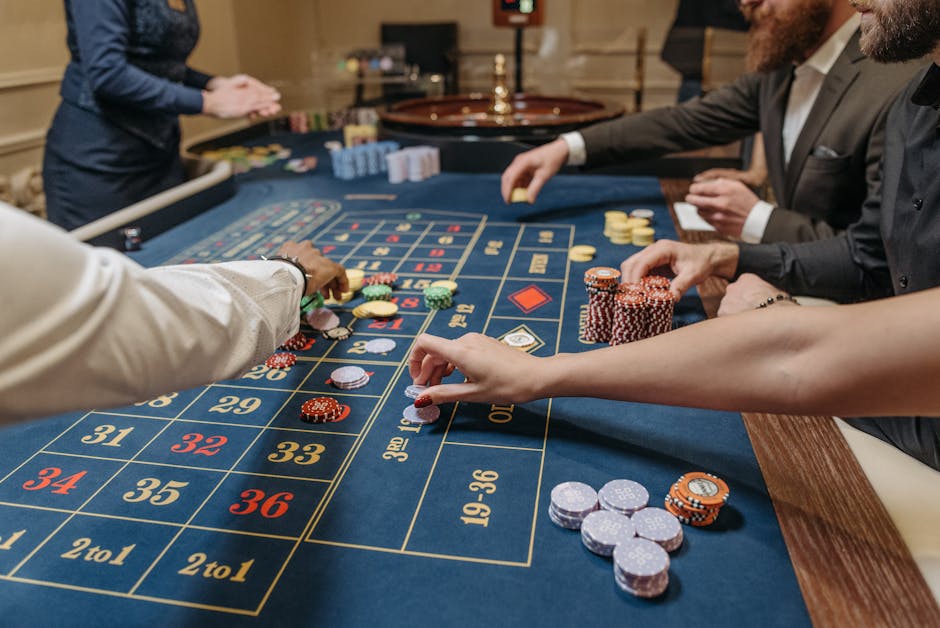
One of the most fascinating shifts in the last few years is the rise of the Live Dealer experience. This is where the "real-time" aspect of your player data gets even more intense. When you’re at a live table—blackjack or roulette, for instance—you aren't just playing against a random number generator; you’re interacting with a real feed.
The recommendation engine monitors these sessions in real-time. If you start losing a streak at a blackjack table, the system might trigger a "consolation" promo to keep you in the lobby. If you’ve been winning, it might lean into the "high-roller" promotions. It’s live, responsive, and incredibly effective at keeping you anchored to the screen.
The Comparison: How Promos Change Based on You
To give you an idea of how these recommendation engines categorise players, here is a breakdown of how the logic typically shifts based on behaviour:
Player Type Behavioural Trigger Typical Promotion The Commuter Short, 5-10 min sessions, usually AM/PM Free spins for quick-play slot games The Weekend Warrior Long sessions, Friday/Saturday nights Deposit match bonuses for live casino tables The "Window Shopper" Frequent logins, low deposit volume Low-cost entry bonuses or "try a new game" trials The High Roller High betting limits, long sessions Exclusive invites, cashback, VIP account managementThe Truth About "Corporate Buzzwords"
Look, you’ll hear marketing teams talk about "omni-channel synchronicity" and "holistic engagement metrics." Ignore it. That is just fluff meant to impress investors. The reality is simple: they want to provide a service that feels tailor-made so you stay within their app ecosystem rather than switching to a competitor.
When an app tries to overpromise—saying they offer "unlimited personalised experiences"—that’s just marketing speak. The reality is that the recommendation engine is limited by the data you give it. If you play a variety of games, the algorithm gets confused. If you stick to one genre, you’re going to get very targeted offers. That’s the mechanism at work, nothing more.
Final Thoughts: Should You Care?
From a consumer tech perspective, these recommendation engines are objectively impressive. They take the friction out of a cluttered digital environment. When I’m on my lunch break, I don’t want to scroll through a list of games I hate; I want the one I like, ready to go. The fact that the tech is responsive enough to recognise my habits on a smartphone, on a 4G connection, is a testament to how far software development has come.
However, keep your eyes open. These apps are designed to be frictionless. They are designed to be addictive. They are designed to keep you playing right up until your train pulls into the station. Recognising that the "special offer" you’re seeing is just a calculated nudge from an algorithm is the best way to keep your gaming fun—and your bank account healthy.
So, the next time you get a notification for that bonus, take a second. Ask yourself: am I playing because I want to, or because the algorithm nudged me to? Knowing the difference is the first step to mastering your own digital lifestyle.