We live in an era where convenience is the primary driver of growth for online casinos. According to data from the Pew Research Center, smartphone ownership has reached a point of saturation in most developed nations. Because we have our devices in our hands 24/7, our expectations for mobile entertainment have shifted: we want speed, we want simplicity, and most importantly, we want to know our money is safe without having to read a 50-page legal document.
When you are playing at a site like MrQ, the deposit process shouldn't feel like a chore. However, when it comes to money, a little bit of healthy skepticism is better than blind trust. In this guide, I’m going to break down how to spot a secure payment page—and how to identify when a site is cutting corners.
The Basics: Security You Don't See
When you hit that "Deposit" button, a lot of invisible background work happens to keep your cash safe. Marketing teams love to throw big terms at you to make you feel better, but let’s cut through the fluff.
1. Encryption Online Payments
You’ve heard this a thousand times: "128-bit encryption." All this really means is that your data is being scrambled into a secret code before it leaves your phone, and it only gets unscrambled when it reaches the bank's secure server.
What this means for you: Even if a hacker intercepted the data mid-flight, they’d see nothing but gibberish that is impossible to read without the digital "key."
2. Tokenisation Payment
This is the gold standard of modern payments. Instead of sending your actual credit card number to the casino, the payment processor sends a unique, one-time-use string of characters (a "token") to represent your payment.
What this means for you: Because the casino never actually "sees" or stores your raw credit card numbers, there is nothing for a hacker to steal from the casino's database.
The Small Screen Test: Does the UX Matter?
As a digital editor, I spend my life testing things on mobile devices. Here is my rule: if the payment page looks like it was designed in 2005 and squashed to fit a why biometrics improve casino security phone screen, leave. Friction reduction is a hallmark of a modern, secure site. If the site is poorly optimized, it usually means the developers aren't prioritizing the user experience, and that often translates to a lack of focus on security updates.
When you open a payment window on your phone:
- The keyboard should automatically pop up with the correct numeric layout. The "Pay" button shouldn't be hidden behind a banner or footer. The site should load quickly on 4G or 5G—security doesn't have to be slow.
What this means for you: A company that takes the time to polish their user interface is usually a company that takes the time to patch their security vulnerabilities. Good UX is a sign of a professional operation.
Modern Payment Tools: Pay by Phone and Carrier Billing
One of the biggest shifts in mobile gambling is the rise of the pay by phone casino model. This allows users to deposit funds directly to their account, with the charge appearing on their next mobile phone bill. This is powered by mobile carrier billing.
From a security perspective, this is often safer for the user because you aren't entering bank details or card numbers into a web browser. You are essentially using your phone number as a gatekeeper.
Why this is growing:
Reduced Data Entry: Fewer forms mean fewer chances for phishing sites to scrape your personal data. No Stored Cards: You aren't leaving a "trail" of your credit card details on the casino’s server. Immediate Authentication: Many of these systems use Two-Factor Authentication (2FA) via text message to confirm the charge.What this means for you: If you are wary of typing your 16-digit card number into a small mobile browser window, carrier billing is the ultimate way to stay secure while maintaining convenience.
How to Spot a "Red Flag" Payment Page
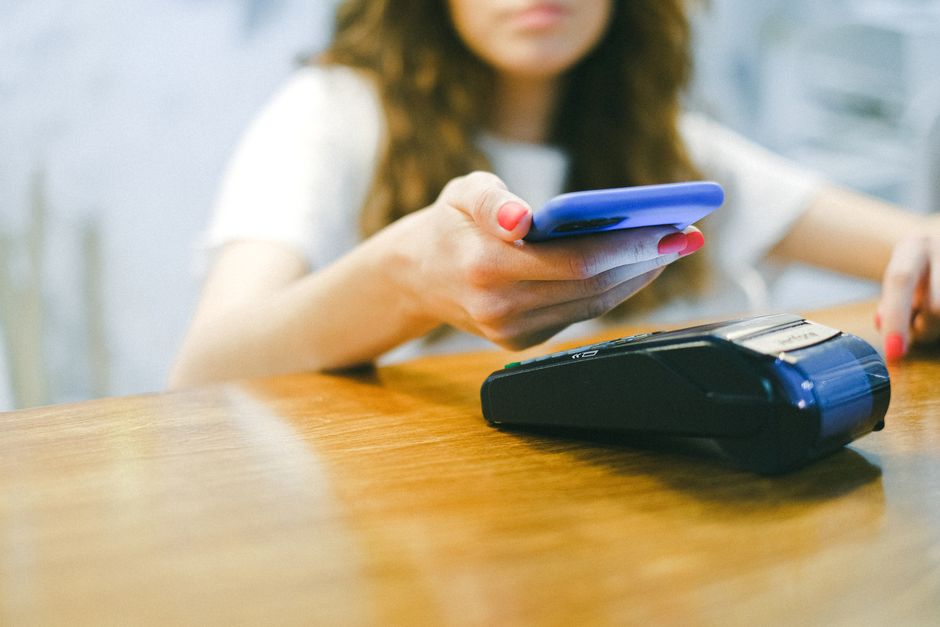
Sometimes, high-quality stock imagery (like that found on sites like Freepik) is used to make a sketchy site look professional. Don't let a clean header image fool you. Check for these technical and practical signals.

A Note on Expectations vs. Reality
One common mistake players make is assuming that "secure" means "perfect." It is important to note that payment security is about protecting your data—it is not about the specific pricing or deposit limits of the casino. When you are on a payment page, you are there to transfer funds, not to negotiate terms.
I’ve noticed that many players assume a page is secure just because it asks for a deposit limit. That is a dangerous assumption. Security is about the infrastructure (the encryption and tokenisation), not the features (the deposit settings). Always verify the site’s security certifications separately from their promotional offers.
Final Thoughts: Stay Sharp
Security isn't a "set it and forget it" task. As an 8-year veteran of tech editing, my best advice remains the same: keep your software updated and use common sense. If a payment page asks for information that seems excessive (like your mother’s maiden name or a social security number just to make a deposit), close the tab immediately.
Technology has made it easier than ever to move money around with a single tap, but that speed shouldn't come at the cost of your peace of mind. Stick to platforms that invest in mobile-first architecture and clear, standard payment protocols. Your phone is a powerful tool—use it with the awareness that you are the final line of defense.