In recent years, the iGaming industry has witnessed a significant shift from desktop-first cashier pages to mobile-first deposits. Players increasingly make deposits using their smartphones, employing a variety of payment options— including digital wallets, mobile banking apps, and sometimes even direct carrier billing. Amidst this dynamic evolution, you might ask: why do many mobile casino cashier pages, like casino deposits on iPhone those on MrQ, still prominently feature traditional debit card options such as Visa and Mastercard, especially Visa Debit, alongside newer payment methods?
This article dives into the reasoning behind this, looking closely at debit card infrastructure, merchant processing, the nuances between paying on a smartphone and direct carrier billing, as well as the impact of biometric authentication and mobile-friendly cards on user experience. Along the way, we’ll touch on Ofcom’s guidance on telecom billing and explain why digital wallets don’t entirely replace card payments.
The Evolution From Desktop to Mobile Cashier Pages
Traditionally, the vast majority of online casino deposits were made on desktops. Sites were designed with bigger screens, and payment forms often assumed players had a keyboard and mouse at hand. The rise of mobile gaming has changed this landscape dramatically. Today, casinos such as MrQ demonstrate a clear mobile-first approach to their cashier pages, optimized for smaller screens and thumb navigation.
But with this shift, payment methods have needed to evolve. Mobile-friendly cards—typically Visa and Mastercard debit cards—remain essential because they are familiar, widely accepted, and easily integrated with mobile banking apps for secure verification. Consider the fact that the UK’s banking system continues to rely on a robust debit card infrastructure, making Visa Debit a staple in this ecosystem.
What Makes Cards Still Crucial on Mobile?
- Ubiquity and Trust: Visa and Mastercard debit cards are backed by global networks known for reliability. Seamless Integration: Mobile banking apps often link directly with cards, enabling quick authentication, transaction monitoring, and instant top-ups. Biometric Authentication: Devices now support fingerprint and facial recognition as part of their card payment process, reducing friction. Regulatory Compliance: Many UK operators must comply with Ofcom rules ensuring clarity and protection in payments, especially when payments are charged to phone bills versus cards.
Understanding Debit Card Infrastructure and Merchant Processing
Behind the scenes of any Visa or Mastercard payment lies a well-developed debit card infrastructure. Merchant processing networks are optimized for robust fraud detection, authorization speeds, and dispute management. On mobile, these systems are designed to work fluidly, whether the player enters card details manually or uses tokenization via mobile wallets or banking apps.
The UK’s banking ecosystem, including providers that support Visa Debit cards, invests heavily in making sure that mobile transactions are secure and instantaneous. This makes Visa and Mastercard not just legacy options but mobile-optimized payment methods that benefit from constant enhancements.
Why Not Just Use Digital Wallets?
Digital wallets (Apple Pay, Google Pay, PayPal) have risen in popularity because they reduce checkout friction: they don't require the player to enter card numbers, dates, or CVVs during checkout. Instead, wallets provide an instant, biometrically secured approval workflow that fits mobile usage perfectly. Despite this convenience, digital wallets are not a standalone replacement for card payments for several reasons:
- Wallets are Linked to Cards: Ultimately, your digital wallet is a gateway to your card or bank account funds. Deposit Limits and Regulatory Checks: Some UK operators still require card-based deposits due to verification or compliance. User Preference: Some users prefer entering card details directly when wallets are not set up or supported on their devices.
Direct Carrier Billing vs. Paying on a Smartphone with Cards
One common misconception is that “pay-by-phone” always means using direct carrier billing (DCB), which charges deposits to your phone bill or prepaid credit. In reality, paying on a smartphone using Visa or Mastercard debit cards is entirely different from DCB:
Aspect Paying by Visa/Mastercard Debit on Phone Direct Carrier Billing (DCB) Payment Processing Processed via card networks (Visa, Mastercard) Processed via telecom operators Charge Method Deducted from bank account linked to card Charged to mobile phone bill or prepaid balance Deposit Limits Generally higher limits, depending on card issuer Lower limits to comply with Ofcom regulations Authentication Often uses biometrics or 3D Secure Auth via phone number verification or network PIN Fees Typically no extra fee for card deposits Network or operator fees may applyThe subtle but important difference means casinos will often display Visa and Mastercard debit card options prominently alongside or even before carrier billing. This approach is especially visible on mobile casino sites like MrQ that cater to UK players and adhere strictly to Ofcom’s consumer protection framework.
Biometrics and Authentication: Enhancing Mobile Casino UX
The user experience on mobile must balance security and convenience. Modern devices provide biometric authentication mechanisms—fingerprint scanning, facial recognition—as native confirmation steps in payments. Visa and Mastercard have embraced these features through 3D Secure 2 protocols, making card payments on mobile both more secure and swift.
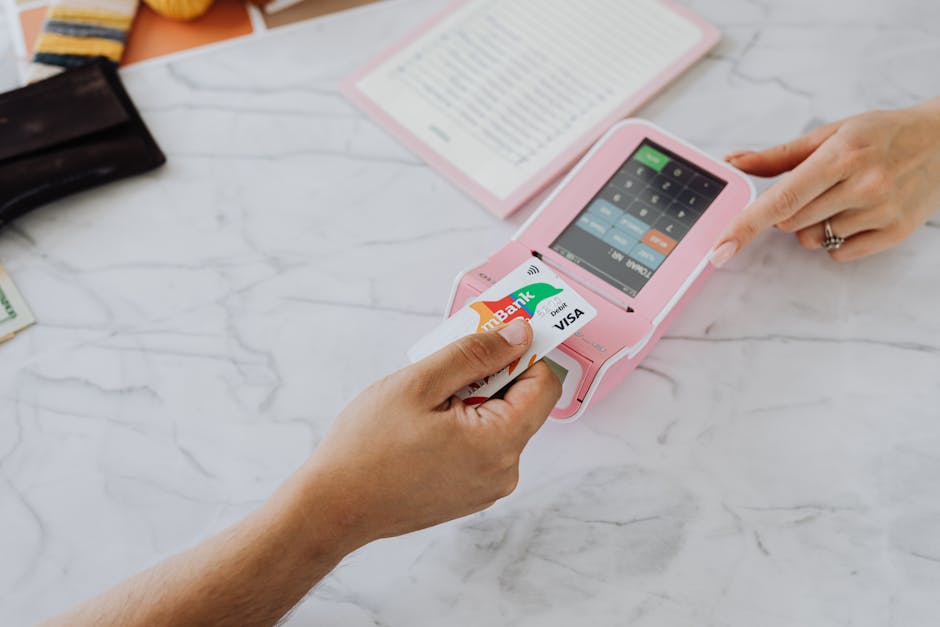
For iGaming players, this means less time fumbling with card details and more time enjoying games, with confidence in transaction safety. Casinos including MrQ integrate these authentication flows into their cashier pages, improving deposit success rates and reducing error-driven abandonment.
Mobile Banking Apps Supporting Card Payments
Many players use mobile banking apps to monitor and manage their Visa Debit and Mastercard cards. These apps often offer instant balance notifications, transaction alerts, and in-app card locks. Such mobile banking tools increase player confidence when depositing to casinos and help detect any suspicious activity quickly.
Summary: Why Visa and Mastercard Debit Cards Remain Key on Mobile
Trust and Coverage: Visa and Mastercard remain the backbone of UK debit card infrastructure with wide merchant acceptance. Mobile Optimization: Card payments now incorporate biometrics and 3D Secure, making them mobile-friendly and secure. Complementary Not Redundant: Digital wallets and carrier billing supplement but do not replace card payments on mobile. Regulatory Compliance: UK operators must follow Ofcom guidelines distinguishing phone billing from card payments. Player Choice: Providing multiple payment options including cards ensures players can pick methods fitting their devices and preferences.Ultimately, casinos like MrQ continue to show Visa and Mastercard debit card options on mobile cashier pages because they provide a reliable, secure, and universally understood payment method embedded within a mature infrastructure. This status will likely persist for years, even as new payment technologies emerge.

Author’s note: Always double-check displayed minimum deposit amounts and avoid lumping different payment methods under vague terms like “pay by phone.” Accurate terminology improves clarity and reduces confusion for players.