Live casino streaming has emerged as a major player in online entertainment, merging the excitement of real-time gambling with the convenience of mobile apps and websites. Yet, users often report frustrating experiences where the video quality drops abruptly, only to bounce back seconds or minutes later. This erratic view isn’t just an annoyance; it can kill the immersion and trust players place in online casino platforms.
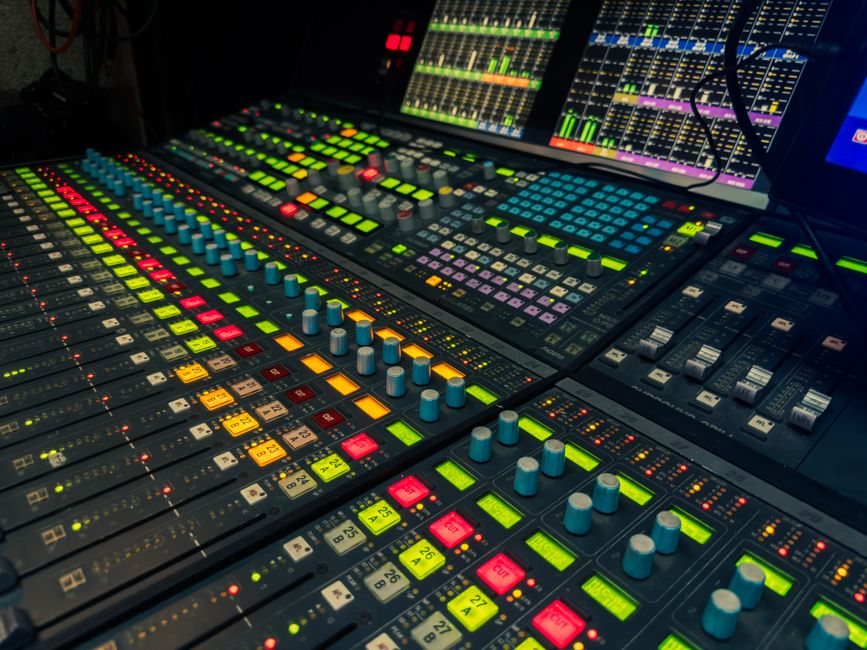
Why does this happen? What technical battles rage behind the scenes to balance crisp multi-camera studio action with the unpredictable realities of mobile streaming? Let’s dive in, referencing industry insights from Hardware Times, expertise from MRQ (mrq.com), and standards set by the Society of Motion Picture and Television Engineers (SMPTE).
The Complex World of Multi-Camera Studio Production
Live casino streams are far from your average single-camera livestream. Studios are outfitted with multiple cameras capturing the dealer, the gaming table, close-ups of cards and chips, and audience reactions where applicable.

- Camera Switching and Sync: Switching seamlessly between multiple angles demands ultra-precise timing to maintain immersion. Lighting and Visual Consistency: SMPTE guidelines play a huge role here—standardized lighting ensures colors and contrast remain steady, preventing jarring shifts that distract viewers. Audio-Video Sync: Another SMPTE focus. Delays in audio or visual feeds during camera transitions can cause perceptible lags or lip-sync issues.
Ask yourself this: this technical choreography requires robust encoding solutions. Hardware Times reports that encoding rigs in top-tier studios often feature redundant systems that kick in within milliseconds should a hardware failure or overheating occur.
What Happens When This Box Overheats at Hour 9?
Good question. Pro environments use monitoring tools to detect overheating early and failover to backup encoders. Less equipped setups might suffer momentary downscaling or frame drops, contributing to quality fluctuations on the viewer’s end.
Encoding and Compression: The Backbone of Adaptive Bitrate Shifts
Adaptive bitrate streaming (ABS) is the unsung hero behind live casino streams adapting to volatile network conditions. It dynamically adjusts video quality based on connection speed and device capability.
- How It Works: The encoder outputs multiple quality tiers simultaneously. The player client requests segments of video at the highest tier the network supports at any given moment. Tradeoffs: Aggressive compression reduces bandwidth but risks introducing artifacts; lighter compression requires more bandwidth, risking stalls. Network Fluctuation: Mobile network swings cause abrupt bitrate shifts pushing quality down and up repeatedly.
MRQ’s research highlights that efficient compression algorithms combined with real-time encoding hardware help minimize these impacts. However, if the encoding settings or the delivery network's backbone lack robustness, viewers see a noticeable drop in resolution or frame rate, followed by improvement as conditions normalize.
Mobile-First Streaming Constraints and User Behavior
Most live casino users consume content via mobile websites or dedicated online casino apps. These present unique challenges:
Limited Bandwidth: WiFi signals vary with distance; LTE and 5G profiles shift with user movement and network load. Device Performance: Phones vary widely in decoding capabilities, screen resolution, and power management. User Interaction: Actions like scrolling or switching tabs can deprioritize streaming threads, causing temporary quality dips.According to the Society of Motion Picture and Television Engineers (SMPTE), optimizing streaming for this "mobile-first" audience requires multi-variant testing under real-world conditions. Performance also hinges on how well casino apps handle adaptive bitrate shifts while preserving sync across interactive UI components (e.g., betting buttons and real-time statistics overlays).
Monitoring and Maintaining Visual Consistency in a Mobile World
Lighting within the studio is tightly controlled, but mobile device screens differ drastically in color calibration, brightness, and refresh rates. This complicates achieving visual consistency for the end-user — a problem Hardware Times emphasizes when comparing different casino apps' rendering performance.
These disparities can make quality shifts appear more dramatic than the actual bitrate variation. Developers frequently rely on SMPTE’s color fidelity and luminance standards to calibrate streams before pushing them to mobile delivery platforms.
Building Resilience into Your Live Casino Stream
To reduce those aggravating quality fluctuations, studios and operators can take several steps:
- Robust Hardware Selection: Choose encoders with built-in redundancy and cooling solutions, minimizing failures caused by overheating during extended broadcasts. Network Optimization: Deploy distributed CDN (Content Delivery Networks) nodes close to end users to buffer network fluctuation better. Improved Compression Tools: Leverage cutting-edge codecs supported by hardware acceleration to deliver consistent streams at lower bitrates. Mobile-First UI Tweaks: Design app behaviors to maintain streaming priority even when user interactions fluctuate. Quality Monitoring: Continuous analytics from tools like MRQ enable operators to detect and react quickly to quality dips before users complain.
Conclusion: Why You See That Ups-and-Downs on Your Casino Stream
Live casino streaming involves a delicate dance between studio-grade multi-camera production, rigorous encoding and compression, the chaotic nature of mobile streaming behavior, and network fluctuations. Adaptive bitrate shifts are designed to deliver the best possible experience but often translate into visible video quality changes during fluctuating connection conditions.
Embracing standards like those from SMPTE, leveraging robust hardware recommended by Hardware Times, and applying data-driven insights from MRQ and other analytics providers will help operators smooth out these bumps. For players, understanding these challenges helps set expectations around the occasional hiccup in an otherwise thrilling https://hardwaretimes.com/the-hardware-behind-modern-live-casino-streaming/ real-time gambling experience.